Golf isn’t always a team sport, but for Alex Fitzpatrick, victory felt collective. The moment he secured his PGA Tour card wasn’t marked by a solo roar or a raised fist in isolation—it was a shared embrace with his brother, a quiet nod between two men who had spent years chasing a dream on parallel paths. Their journey, forged in Yorkshire grit and sibling loyalty, culminated in an emotional breakthrough that resonates far beyond the leaderboard.
Alex Fitzpatrick, long overshadowed by the global acclaim of his older brother, world-class golfer Matthew Fitzpatrick, has carved his own identity—not by escaping the shadow, but by embracing the support it provided.
A Legacy of Grassroots Grit
The Fitzpatrick name carries weight in English golf, not because of privilege, but due to relentless work. Born and raised in Sheffield, both brothers honed their games at moorland courses where wind bites and fairways demand precision. Their foundation wasn’t built in private academies but on public greens, with early mornings and hand-me-down clubs.
Matthew’s rise—from winning the U.S. Amateur to claiming the 2022 U.S. Open—was well-documented. But behind every interview, every practice round, Alex was there—not as a fan, but as a committed competitor in his own right. The family’s ethos? Talent is inherited, but greatness is earned.
“We never treated it like Matthew was the star and I was just along for the ride. We pushed each other from day one,” Alex said in a quiet post-round interview, his voice thick with emotion.
While Matthew competed on the DP World Tour and PGA Tour, Alex navigated the Challenge Tour and developmental circuits—grinding through missed cuts, travel fatigue, and the subtle pressure of sharing a last name with a major champion.
The Season That Changed Everything
The 2023-2024 journey was Alex’s proving ground. Competing across the PGA Tour’s developmental circuit—the Korn Ferry Tour—he entered the season with a quiet determination. No headlines hyped his campaign. No sponsors queued at his door. But those close to him saw a shift: a refined short game, a calmer temperament, and a resilience sharpened by years of comparison.
His breakthrough came at the Kansas Championship, where he fired a final-round 64 to surge into solo second. Three weeks later, a win at the Knoxville Open wasn’t just a trophy—it was a statement. But the true turning point was deeper: the presence of Matthew at the course.
For the first time, Matthew attended one of Alex’s events not as a curious sibling, but as a spectator emotionally invested in the outcome. He stood yards from the 18th green, clapping slowly as Alex two-putted for par, securing enough points to virtually guarantee PGA Tour status.
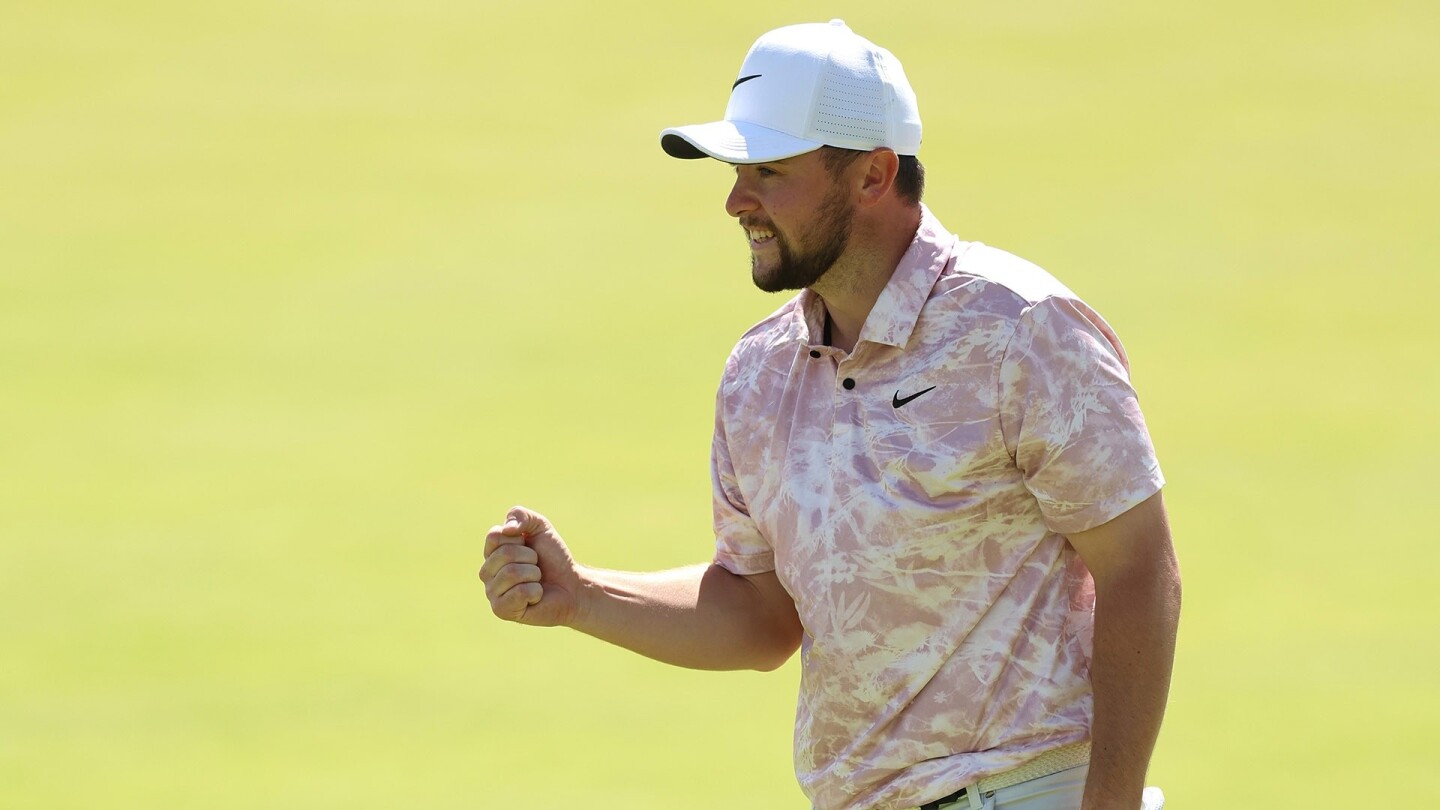
The embrace that followed wasn’t for the cameras—it was raw, unguarded. A brother who had endured the lonely climb saw his sibling finally arrive.
Why This Victory Resonates Beyond the Scorecard
Alex’s story transcends sports because it mirrors the universal struggle of individuality within family legacy. Many younger siblings—whether in business, art, or athletics—navigate the tension between admiration and identity. Alex never sought to outshine Matthew. Instead, he sought validation on his own terms.
His victory wasn’t defined by defeating his brother. It was defined by rising alongside him.
In golf, where individual performance is everything, Alex’s ascent was quietly collaborative. Matthew offered advice, yes—but more importantly, he offered perspective. After missed cuts, it was Matthew who reminded him: “You’re not behind. You’re on your path.”
That mental framework became Alex’s edge. While others crumbled under pressure, he remained process-oriented. His coach noted a pivotal change: “Alex stopped comparing swings and started comparing work ethics.”
The Emotional Weight of a PGA Tour Card
Earning PGA Tour status is more than a career milestone—it’s financial security, global exposure, and entry into the highest echelon of professional golf. For Alex, it also meant something more intimate: quieting the internal doubt that had lingered for years.
“I’d lie awake thinking, ‘Am I good enough? Or am I just here because of my name?’” Alex admitted in a podcast interview months before the win. “Every time I played well, someone would say, ‘Well, your brother did it too.’ It wasn’t malicious. But it stung.”
The victory wasn’t just about proving himself to critics. It was about proving it to himself.
His emotional response upon securing the card—tearing up during a post-round interview, dedicating the moment to his parents—revealed the depth of that journey. This wasn’t just a professional leap. It was a personal reconciliation.
How Sibling Rivalry Became a Competitive Advantage
The Fitzpatrick brothers’ relationship defies the trope of cutthroat sibling rivalry. Instead, they’ve cultivated a rare dynamic: competitive collaboration.
Here’s how it played out in practice:
- Shared Practice Sessions: When schedules aligned, they drilled together—especially around wedge play and course management, two of Matthew’s strengths.
- Honest Feedback: No sugarcoating. If Alex’s takeaway was off, Matthew said so—without ego.
- Mental Frameworks: Matthew shared access to sports psychologists and mindfulness routines that helped Alex manage pressure.
- Equipment Tweaks: While not using the same caddie or team, they exchanged notes on gear, especially putters and ball flight tech.
This isn’t unusual in elite sports families—but it’s rare in execution. Many siblings struggle with jealousy or one-upmanship. The Fitzpatricks flipped the script: they treated each other’s success as additive, not competitive.

“When he won the U.S. Open, I cried—not because I was happy for him, though I was—but because I realized, if he can do that, what’s stopping me?” Alex said.
The Road Ahead: What PGA Tour Life Means for Alex
With his Tour card secured, Alex steps into a new reality. The competition intensifies. The travel schedule demands more. The scrutiny grows—not just as a golfer, but as “Matthew’s brother who made it.”
But the narrative is shifting. Media outlets now refer to him as “Alex Fitzpatrick, PGA Tour member,” not just “Matthew’s younger brother.” That distinction matters.
His immediate goals are clear: - Maintain full playing status by finishing inside the FedEx Cup top 125 - Compete in at least one major (he has conditional entry to the U.S. Open via world ranking) - Build a fan base independent of his surname
Longer term, he’s exploring charitable initiatives in Yorkshire, focused on making golf accessible to underprivileged youth—a nod to his own upbringing.
A Blueprint for Sibling Success in High-Pressure Fields
The Fitzpatrick story offers lessons beyond golf:
- Support Doesn’t Dilute Individuality
- Being helped by a successful sibling doesn’t diminish your own achievement—it accelerates it, if you’re willing to work.
- Comparison Is Inevitable—But Not Destructive
- Alex didn’t ignore the comparisons. He used them as fuel, refining his game without losing his identity.
- Emotional Resilience > Natural Talent
- Countless golfers have more raw ability than Alex. What set him apart was his ability to stay focused through years of near-misses.
- Family Can Be a Competitive Edge
- In fields dominated by solo performers—writers, athletes, entrepreneurs—having a trusted mentor within the family can be transformative.
For parents raising multiple driven children, the Fitzpatrick model suggests: celebrate each child’s path individually, even when they walk similar roads.
The Quiet Power of Earned Triumph
Alex Fitzpatrick’s victory wasn’t loud. It didn’t come with a viral celebration or a seven-stroke blowout. It came through consistency, resilience, and the quiet strength of family.
When he tees it up in his first PGA Tour event, the spotlight will be brighter. Sponsors will smile. Broadcasters will mention his brother—probably in the first sentence.
But this time, the story is his.
And as he stands on that first tee, driver in hand, he won’t be thinking about legacy. He’ll be thinking about process. About the next shot. About the brother who believed in him long before the world did.
That’s the real victory—not the card, not the status, but the peace that comes from earning your place.
For aspiring athletes and second-born achievers everywhere: your path isn’t lesser because it follows someone else’s. It’s yours. Walk it with pride.
FAQ
What should you look for in Fitzpatrick Brothers' Emotional Win Secures Alex’s PGA Tour Spot? Focus on relevance, practical value, and how well the solution matches real user intent.
Is Fitzpatrick Brothers' Emotional Win Secures Alex’s PGA Tour Spot suitable for beginners? That depends on the workflow, but a clear step-by-step approach usually makes it easier to start.
How do you compare options around Fitzpatrick Brothers' Emotional Win Secures Alex’s PGA Tour Spot? Compare features, trust signals, limitations, pricing, and ease of implementation.
What mistakes should you avoid? Avoid generic choices, weak validation, and decisions based only on marketing claims.
What is the next best step? Shortlist the most relevant options, validate them quickly, and refine from real-world results.