When Eliud Kipchoge crossed the finish line in under two hours during the 2019 INEOS 1:59 Challenge, the world celebrated human endurance. But behind that historic moment was a piece of technology so light it could rest on the palm of your hand—lighter, in fact, than a bar of soap. The shoes on his feet weren’t just footwear. They were engineering masterpieces designed to cut fractions of seconds over 26.2 miles, adding up to minutes of advantage.
These shoes—specifically, iterations of the Nike Alphafly—weigh in at around 180 to 200 grams per shoe. A standard bar of soap? Typically 100 to 150 grams. That means two of these record-shattering shoes weigh only slightly more than a single bar. Yet within that minimal mass lies carbon-fiber plates, multi-layer foam midsoles, and aerodynamic uppers designed to propel elite runners faster with less effort.
This isn’t just about weight. It’s about how weight, energy return, and biomechanics intersect to redefine what’s possible in long-distance running.
The Science Behind the Featherweight Design
Reducing shoe weight isn’t new—runners have chased grams for decades. But the breakthrough with modern marathon record footwear lies not in weight alone, but in how that weight is optimized across components.
Take the Nike Alphafly series. Its VaporFly predecessor introduced ZoomX foam, a lightweight, highly resilient material developed from aerospace-grade polymers. ZoomX returns over 85% of energy with each stride—significantly more than traditional EVA foam. That means less energy lost to the ground, more forward propulsion.
But foam is only half the story. The full-length carbon-fiber plate acts like a spring-loaded lever. It stabilizes the foot, reduces calf strain, and creates a “pop” at toe-off. Combined, these elements reduce oxygen consumption by up to 4% compared to conventional racing shoes—enough to translate into real-world time savings of 2–4 minutes over a marathon.
And all of this is packed into a shoe that feels almost weightless. At 195 grams (men’s size 9), it’s lighter than most smartphones.
Why “Lighter Than a Bar of Soap” Matters
The analogy isn’t marketing fluff. A soap bar is a universal, tangible object. When you hear “lighter than a bar of soap,” you immediately feel the lightness. That tactile comparison helps explain how elite gear has evolved: not just lightweight, but intelligently minimal.
But there’s a threshold. Too light, and you lose protection. Too much cushioning, and you gain weight and lag. The modern record-breaking shoe walks that razor’s edge—maximizing cushion and propulsion while staying under 200 grams.
Runners used to believe more cushion meant more weight. Now, the opposite is true: the lightest shoes often offer the most protection, thanks to advanced materials.
How These Shoes Changed Marathon Racing Before the Alphafly, sub-2-hour marathons were considered nearly impossible under standard race conditions. Then, in 2019, Kipchoge ran 1:59:40. Not officially recognized as a world record due to pacing and rotation support, it proved the concept.
Then came the real shift: Kipchoge’s 2022 Berlin Marathon run of 2:01:09, followed by Kelvin Kiptum’s 2:00:35 in 2023—both run in updated Alphafly models. These weren’t just personal bests. They shattered the previous world record by a margin unseen in decades.
Critics called the shoes “mechanical doping.” World Athletics responded by restricting midsole thickness (max 40mm) and limiting carbon plates to one per shoe. But the genie was out of the bottle. Every major brand rushed to replicate the formula.
Real-World Impact on Elite Performance

The data is undeniable. Since the 2017 debut of the VaporFly, over 90% of elite marathoners wearing Nike’s carbon-plated racers have improved their personal bests. A 2021 study in Sports Medicine found runners wearing carbon-plated shoes finished, on average, 2.5% faster than those in traditional models.
But it’s not just elites. Recreational runners using the same tech report feeling “bouncier” and less fatigued at mile 20. That’s because the energy return benefits scale across paces—though the time savings are proportionally greater at faster speeds.
Anatomy of a Record-Breaking Shoe
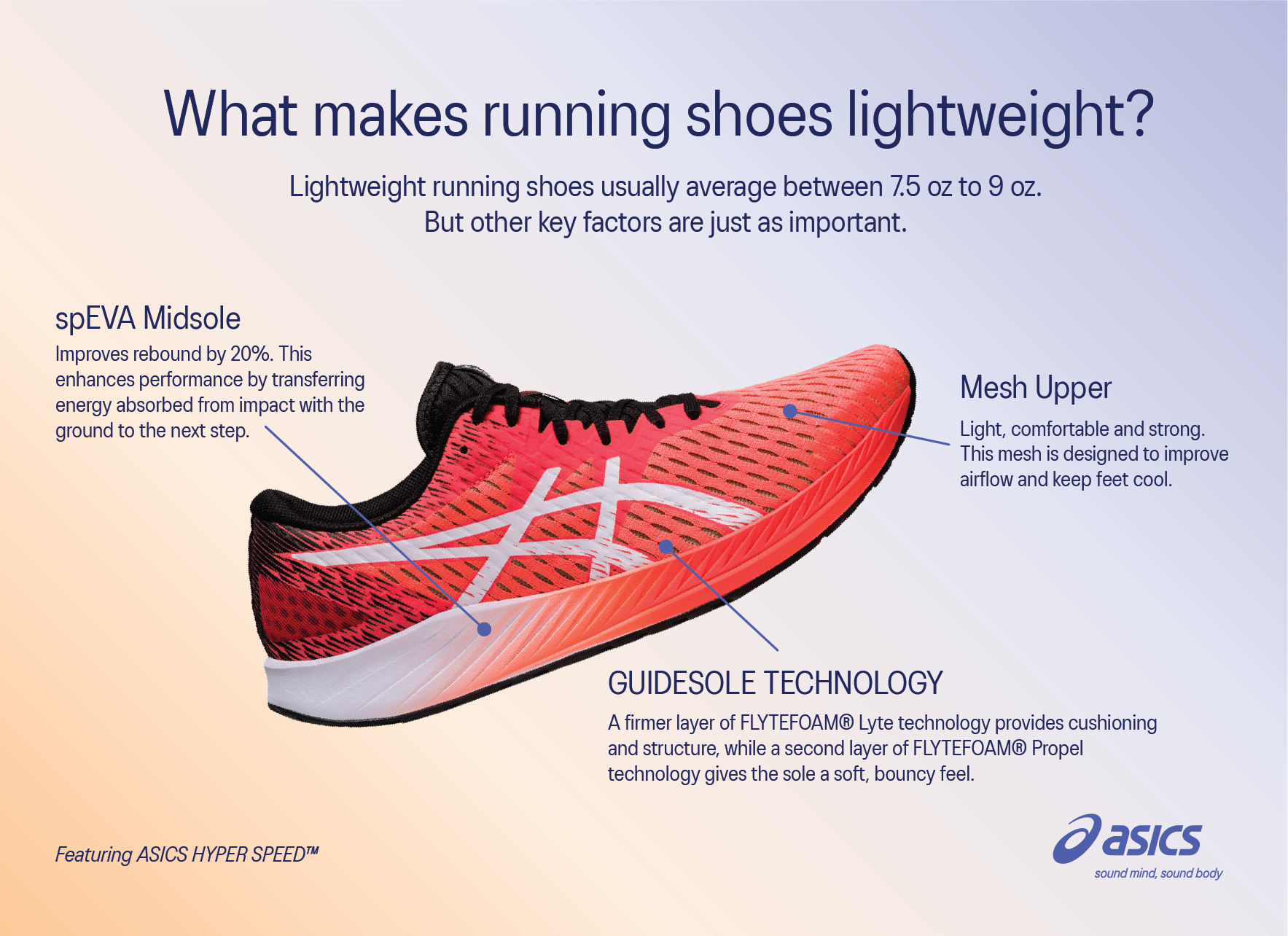
Let’s dissect what’s inside a shoe like the Nike Alphafly Next%—the model most associated with recent marathon records.
1. ZoomX Foam Midsole
- Made from Pebax, a thermoplastic elastomer
- 30% lighter and 15% more energy-return efficient than EVA
- Positioned thickly under the heel and forefoot for maximum cushion
2. Dual-Stacked Zoom Air Units
- Two pressurized air pockets in the forefoot
- Provide additional rebound and shock absorption
- Reduce impact stress on joints during high-mileage efforts
3. Full-Length Carbon-Fiber Plate
- Stiff, curved plate that encourages forward roll
- Reduces ankle and calf workload by up to 7% (per Nike biomechanical data)
- Enhances stride efficiency, especially at faster paces
4. Atomknit Upper
- Lightweight, breathable, seamless fabric
- Minimizes friction and hot spots
- Adapts to foot swelling over long distances
5. Laser-Cut Traction Outsole
- Strategic rubber placement only where needed
- Saves weight while maintaining grip
- Strategic grooves enhance flexibility
Together, these components create a shoe that doesn’t just feel fast—it makes you fast.
Beyond Nike: Who’s Chasing the Record-Breaking Formula?
While Nike leads the pack, competitors have responded aggressively. Here are five high-performance marathon shoes engineered to challenge the Alphafly’s dominance:
| Brand & Model | Weight (men’s size 9) | Key Technology | Best For |
|---|---|---|---|
| Adidas Adizero Adios Pro 3 | 200g | Lightstrike Pro foam, EnergyRods 2.0 | Runners seeking a snappier ride with less bulk |
| Saucony Endorphin Pro 3 | 210g | PWRRUN PB foam, S-curve carbon plate | Smooth transition and reliable durability |
| Hoka Rocket X 2 | 225g | Profly+ foam, carbon fiber plate | Max cushion with racing speed |
| Asics Metaspeed Sky+ | 215g | FF+ Blast+ foam, carbon plate | Forefoot strikers aiming for PRs |
| New Balance FuelCell RC Elite v2 | 220g | FuelCell foam, carbon plate | Stability-focused racers |
Note: While none are quite as light as the Alphafly, they come close—and offer alternatives for runners who prefer different fits or foot strikes.
Nike still holds the edge in elite marathon dominance, but the race is on. Each new model is lighter, bouncier, and more efficient than the last.
The Ethical Debate: Are These Shoes “Fair”?
When technology reduces marathon times by minutes, questions arise: is it the athlete or the shoe doing the work?
World Athletics attempted to level the playing field with regulations: - Maximum midsole thickness: 40mm - Only one rigid embedded plate allowed - Shoes must be available to the general public for at least four months before use in competition
But loopholes remain. Brands release “elite-only” versions before public release. Some runners get custom modifications. And while the rules apply to record eligibility, enforcement is inconsistent.
Still, most agree: technology is part of sport’s evolution. Just as swimsuits, bicycles, and tennis rackets have advanced, so too must running shoes. The difference is that shoes are worn, not held—they’re an extension of the body.
The real issue isn’t innovation. It’s accessibility. At $275 per pair, these shoes are out of reach for many runners in developing countries. That creates an uneven playing field not of rules, but of resources.
Practical Takeaways for Runners
You don’t need to run a world record to benefit from this tech. But understanding how these shoes work can help you choose the right gear—and train smarter.
When to Use Carbon-Plated Racers - Marathon and half-marathon races: Primary use case. The energy return pays off over distance. - Fast long runs: Use sparingly to simulate race conditions. - Track workouts at goal pace: Helps condition your body to the shoe’s responsiveness.
When to Avoid Them - Recovery runs: Too much bounce can disrupt easy effort. Use a neutral trainer. - Trail or uneven terrain: The stiff plate reduces adaptability. - Beginner runners: Build strength first. Jumping into super shoes too soon may increase injury risk.
Common Mistakes
- Racing in brand-new shoes: Always log at least 10–15 miles first.
- Using them for daily training: High cost and limited durability make them poor daily trainers.
- Ignoring fit: A shoe that’s too tight can cause numbness; too loose leads to blisters.
The Future of Marathon Footwear
What’s next? Shoes lighter than ever. Midsoles engineered with AI. 3D-printed custom plates. Biomechanical feedback systems embedded in the sole.
Nike’s already testing shoes with adaptive cushioning. Adidas is experimenting with biodegradable performance foams. Hoka is pushing the boundaries of stack height within legal limits.
But the core philosophy remains: maximize return, minimize weight, optimize efficiency. The “lighter than a bar of soap” benchmark will likely be surpassed—perhaps with shoes under 170 grams that still deliver 40mm of cushion.
And as materials evolve, so will human performance. The sub-2-hour marathon in official competition? It’s not a question of if, but when.
Final Word: More Than Just a Shoe
The shoes that shattered the marathon record are not magic. They don’t run for you. But they do amplify effort, reduce strain, and turn milliseconds into minutes.
And their weight—lighter than a bar of soap—is symbolic. It represents years of R&D, biomechanical insight, and the relentless pursuit of human potential.
For elite runners, these shoes are tools of legacy. For the rest of us, they’re proof that innovation can elevate every stride. Choose wisely, train consistently, and remember: the fastest shoe won’t carry you 26.2 miles. Your legs will. The shoe just helps them breathe easier.
FAQ
What shoes did Eliud Kipchoge wear to break the marathon record? Kipchoge wore custom versions of the Nike Alphafly during his 2:01:09 Berlin Marathon and the INEOS 1:59 Challenge.
How much do record-breaking marathon shoes weigh? Most elite carbon-plated racers weigh between 180 and 220 grams (6.3–7.8 oz), with the Nike Alphafly among the lightest at around 195 grams.
Are super shoes worth it for amateur runners? Yes, if used appropriately. Recreational runners report improved times and less fatigue, but they should be reserved for races and key workouts due to cost and durability.
Why are carbon-plated shoes controversial? Critics argue they provide an unfair mechanical advantage, likening them to “technological doping.” Regulations now limit their design to maintain fairness.
Can you train in marathon record-breaking shoes? Not regularly. Their lightweight construction sacrifices durability. Use them for race simulations and competitions, not daily mileage.
Do lighter shoes always make you faster? Not necessarily. While reduced weight lowers energy cost, excessive lightness without support can increase injury risk. Balance is key.
What’s the lightest marathon racing shoe available? The Nike Alphafly Next% and Adidas Adizero Adios Pro 3 are among the lightest, both under 200 grams for men’s size 9.
FAQ
What should you look for in Lighter Than a Bar of Soap: The Shoes That Broke the Marathon Record? Focus on relevance, practical value, and how well the solution matches real user intent.
Is Lighter Than a Bar of Soap: The Shoes That Broke the Marathon Record suitable for beginners? That depends on the workflow, but a clear step-by-step approach usually makes it easier to start.
How do you compare options around Lighter Than a Bar of Soap: The Shoes That Broke the Marathon Record? Compare features, trust signals, limitations, pricing, and ease of implementation.
What mistakes should you avoid? Avoid generic choices, weak validation, and decisions based only on marketing claims.
What is the next best step? Shortlist the most relevant options, validate them quickly, and refine from real-world results.